
by Priyanshi Chawrasiya
Cognitive Dissonance Theory, introduced by Leon Festinger in 1957, explains the
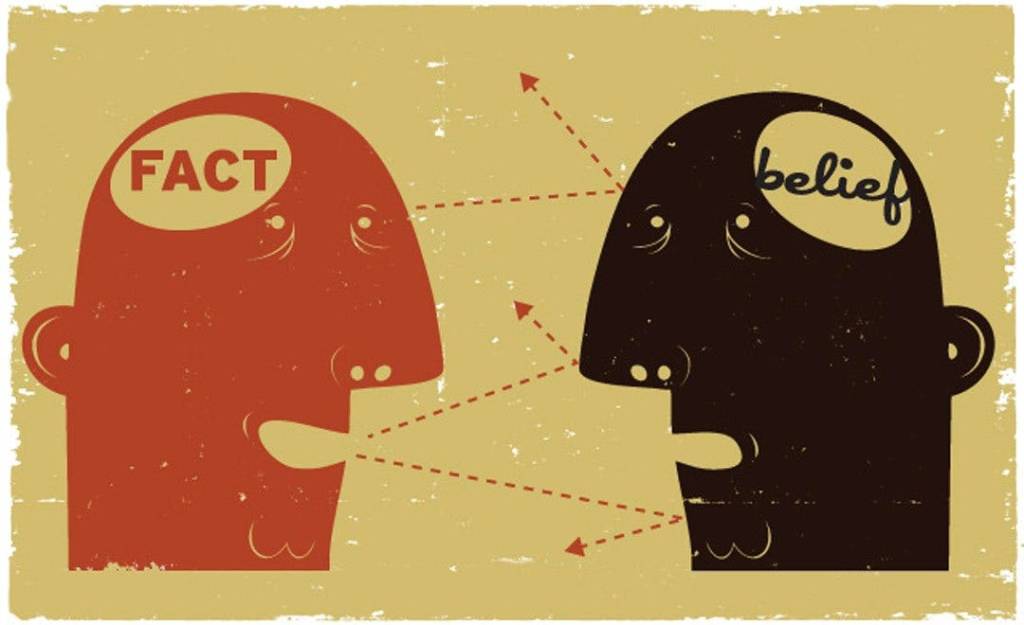
psychological discomfort that arises when an individual holds contradictory beliefs, attitudes, or values, or when their behaviour clashes with what they truly believe. The term “cognitive”relates to the mind, and “dissonance” refers to a state of disturbance or inconsistency. Whenever individuals encounter information or experiences that challenge their consciously held beliefs—especially the values and ideologies they strongly identify with—they experience mental anguish and a sense of being rattled. This discomfort, or dissonance, acts as a motivator, pushing individuals to resolve the inconsistency in order to regain a sense of internal harmony. They may do this by altering their beliefs, adjusting their behaviour, or rationalizing their actions to make them align better with their worldview.
In the context of media and communication, this theory has immense significance. It helps explain how audiences react to persuasive messaging, advertising, and news content. Advertisers frequently exploit this psychological tension to compel behavioral change. For example, an anti-smoking advertisement that vividly portrays the health risks associated with smoking can create cognitive dissonance in smokers, prompting them either to quit or to justify their habit in order to reduce discomfort. Similarly, in the realm of political communication, people often engage in what is known as selective exposure—actively seeking out media that aligns with their existing beliefs and avoiding content that challenges them. This tendency is amplified by digital algorithms that curate personalized content, reinforcing ideological bubbles and contributing to increased polarization.
Behavioural Change Communication (BCC) strategies are built on the foundation of cognitive dissonance. They aim to challenge ingrained beliefs and values, encouraging audiences to adopt new ways of thinking and behaving. Entertainment media, too, often plays a role in generating dissonance. Films and documentaries that tackle issues such as gender equality, environmental justice, or systemic inequality may lead viewers to confront uncomfortable truths, thereby motivating social reflection or personal change. Understanding cognitive dissonance not only allows media professionals to design more effective persuasive messages but also helps in anticipating audience resistance and evaluating the broader psychological impact of media on societal attitudes and behaviours.
 Naren Singh Rao Lectures
Leave a comment