
by Priyanshi Chawrasiya
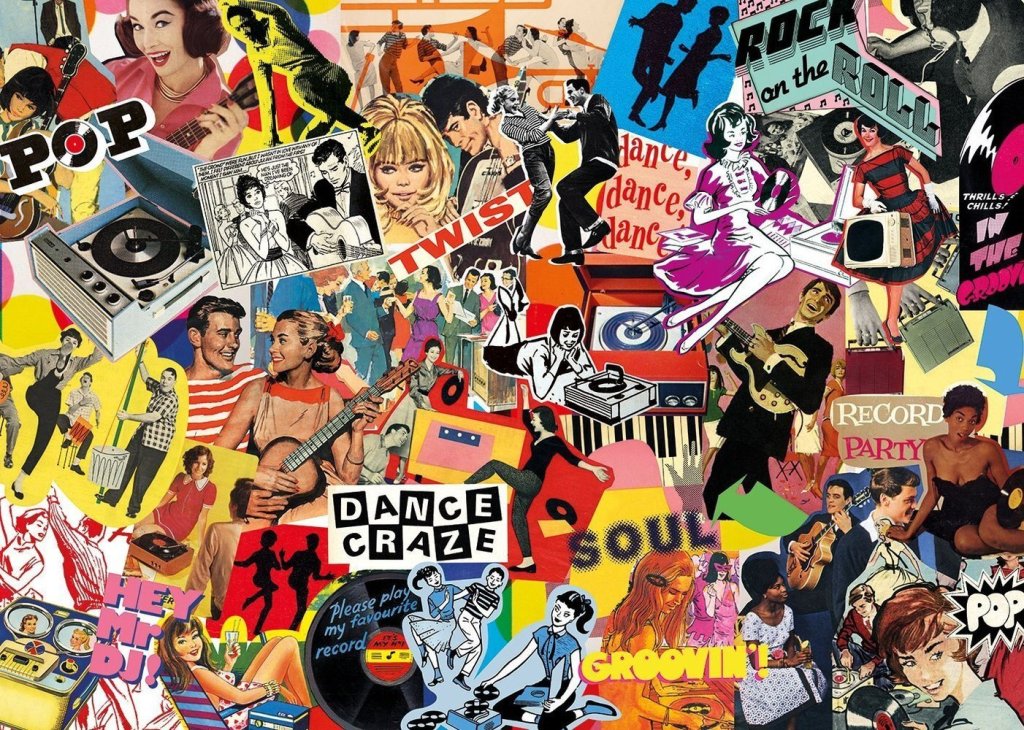
The Culture Industry Theory, developed by Theodor Adorno and Max Horkheimer of the Frankfurt School, critiques the mass production of culture under capitalism. These thinkers, though rooted in Marxist ideology, became disillusioned with Marxism after witnessing the failure of revolutionary movements in Europe and the rise of fascism in Germany. After relocating to the United States in 1933, they closely observed the workings of capitalist society and sought to understand why social change remained stagnant despite advancements in economy and technology. Their critique, famously titled The Culture Industry: Enlightenment as Mass Deception, argues that mass media and popular culture function as
tools for maintaining the status quo, shaping public consciousness in a way that benefits the ruling class.
According to this theory, cultural products—films, music, television, books—are produced like commodities in an industrial setup, where the primary motive is profit-making rather than intellectual enrichment or genuine artistic expression. In this system, culture is no longer a space for critical thought or individual creativity, but a site of mass production catering to consumer society. The result is a landscape filled with predictable, formulaic content designed for easy consumption. Bollywood films and commercial music serve as examples—while appearing diverse on the surface, they follow repetitive structures and themes, creating a pseudo-individualistic appeal that masks the lack of true variety. Audiences are presented with an illusion of choice, but in reality, the options are
fundamentally the same.
Adorno and Horkheimer warned that such commodification of culture suppresses
individuality and critical thinking. These cultural goods serve to distract rather than to provoke thought, reinforcing dominant ideologies and discouraging any meaningful questioning of the existing social and economic order. The culture industry, in essence, produces conformity. By manipulating desires and emotions, it ensures that people remain passive consumers rather than active participants in shaping society. The standardized nature of cultural content leaves little room for dissent, working subtly to justify and normalize the actions of the ruling class. In this way, the culture industry becomes a powerful tool of ideological control, perpetuating the myths of freedom and diversity while systematically promoting uniformity and submission.
 Naren Singh Rao Lectures
Leave a comment