
Communication Principles
-
Uses and Gratification Theory
Why do people consume media? This essay will explore the Uses and Gratification theory developed by Jay Blumler and Denis McQuail theory, arguing that the consumption of media is driven… Read more.
-
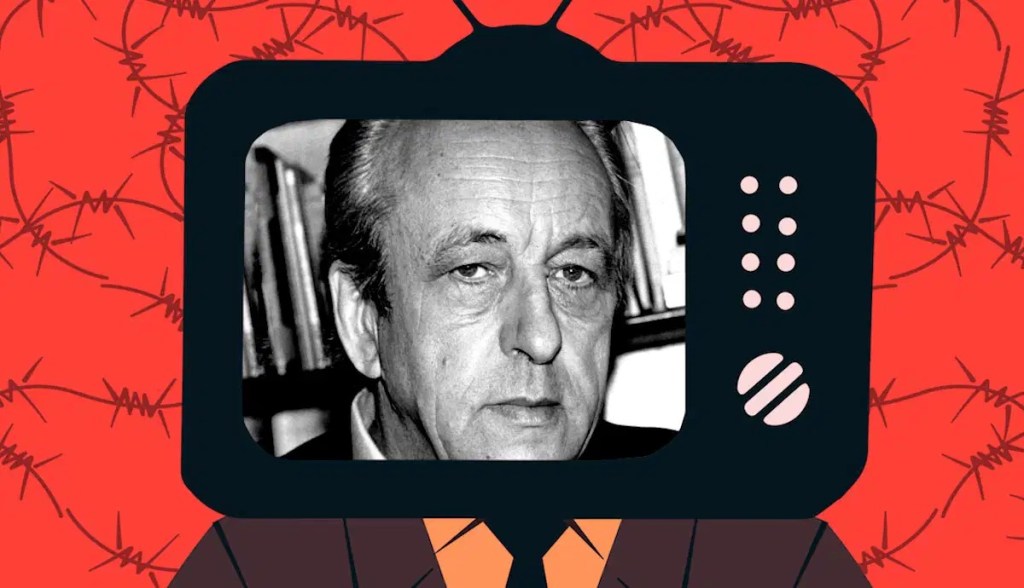
State Apparatus
Louis Althusser’s theory shows how state power operates through force and ideology. The Repressive State Apparatus uses coercion, while the Ideological State Apparatus shapes beliefs and norms. Together, they maintain… Read more.
-
Understanding Marxism, Media Effects, and Ideological Power
In today’s world, the intersection of politics, media, and ideology is more powerful than ever. From Marxist theories about class struggle to modern media effects theories, the way information is… Read more.
-
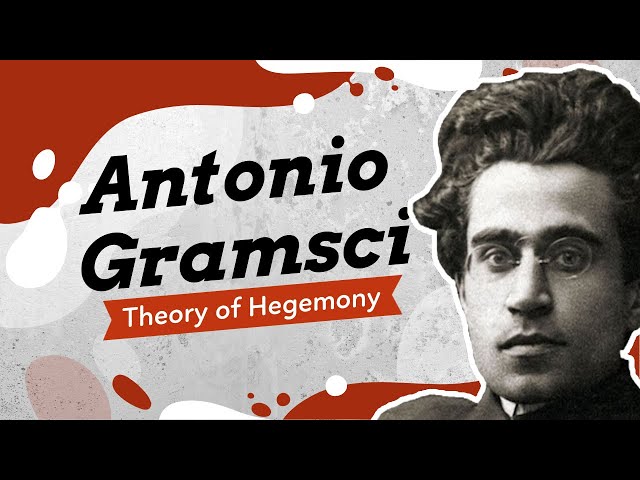
Cultural Hegemony
Antonio Gramsci’s concept of cultural hegemony exposes how ruling classes maintain control by shaping culture and ideology, making their worldview seem natural. True revolution requires a “war of position”, that… Read more.
-
Normatic Theory of Media
The Normative Theory of Media outlines typical media behaviors linked to government types, as detailed in Four Theories of the Press: Authoritarian, Libertarian, Social Responsibility, and Soviet/Communist media, explaining how… Read more.
-
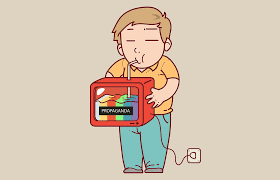
Manufacturing Consent
The Propaganda Model by Herman and Chomsky unfolds how corporate media serves those in power through five filters: profit-driven ownership, advertiser funding, reliance on second-hand sources, flak, and bias. In… Read more.


 Naren Singh Rao Lectures