
Lectures
Naren Singh Rao’s lectures offer questioning perspectives on social, political, cultural and media issues.
-
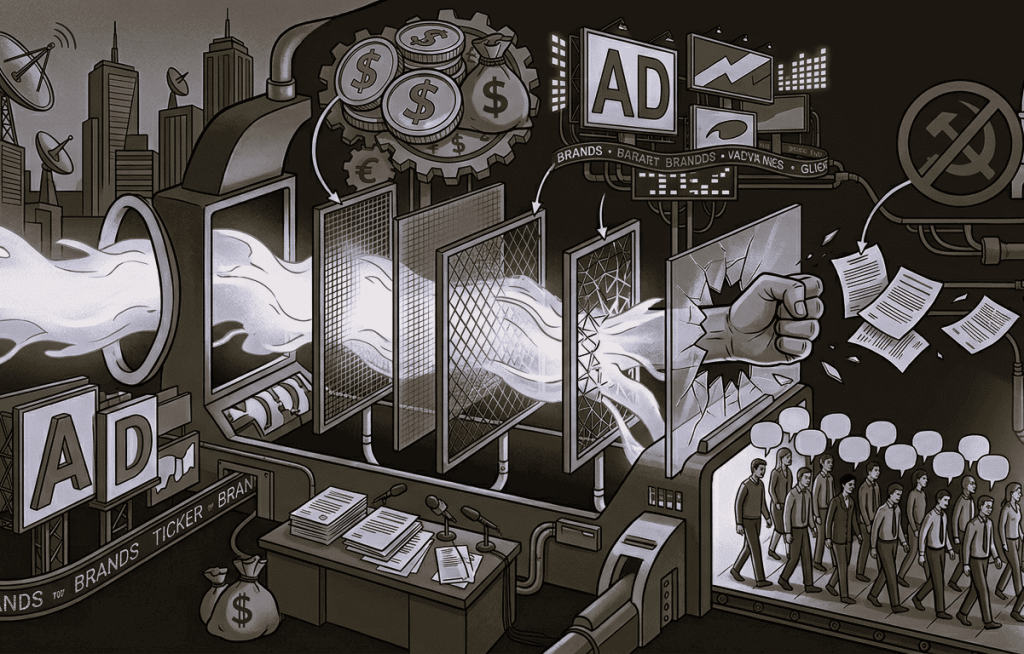
by Anushhka Kalucha In today’s world, the media plays a powerful role in shaping how people think, what they believe, and how they understand reality. While the media is expected to provide fact-based and truthful information, it is often influenced by profit motives, corporate interests, and political agendas. This phenomenon is commonly described as “manufacturing…
-
by Nishtha Ranjan and Abhai Singh Tanwar The blog is divided into 2 sections: Psychological Frameworks of Media and its Uses & Gratification. This piece attempts to understand various theories of communication formulated by academicians such as Leon Festinger, George Gerbner, Elisabeth Noelle-Neumann and others. Psychological Frameworks Have you ever noticed how some people react…
-
by Abhai Singh Tanwar This blog explores the four major theories of the press based on the work authored by Fred Siebert, Theodore Peterson, and Wilbur Schramm. Journalism is known as the fourth pillar of democracy in India, but is it truly the case? You may agree and disagree with the ongoing state of the…
-
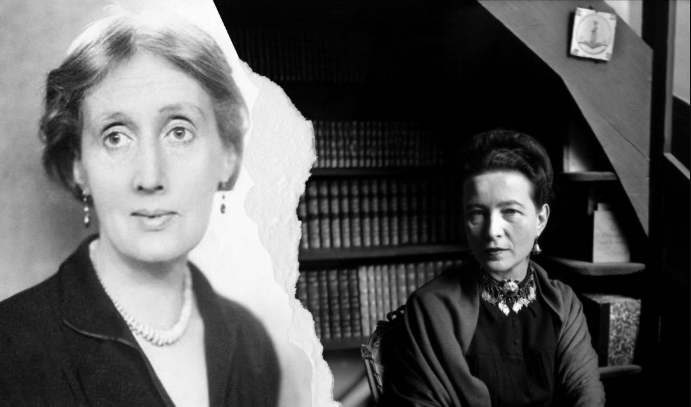
This essay explores how Virgina Woolf and Simone de Beauvoir reveal the structural barriers that silence women. Through Woolf’s “Shakespeare’s Sister” and de Beauvoir’s idea of woman as the ‘other,’ it critiques how patriarchy shapes both opportunity and identity even in the most ‘progressive’ spaces.
-
This blog explores C. Wright Mills’ concept of sociological imagination, illustrating how personal experiences like unemployment, education stress and mental health are shaped by broader historical and structural forces.
-
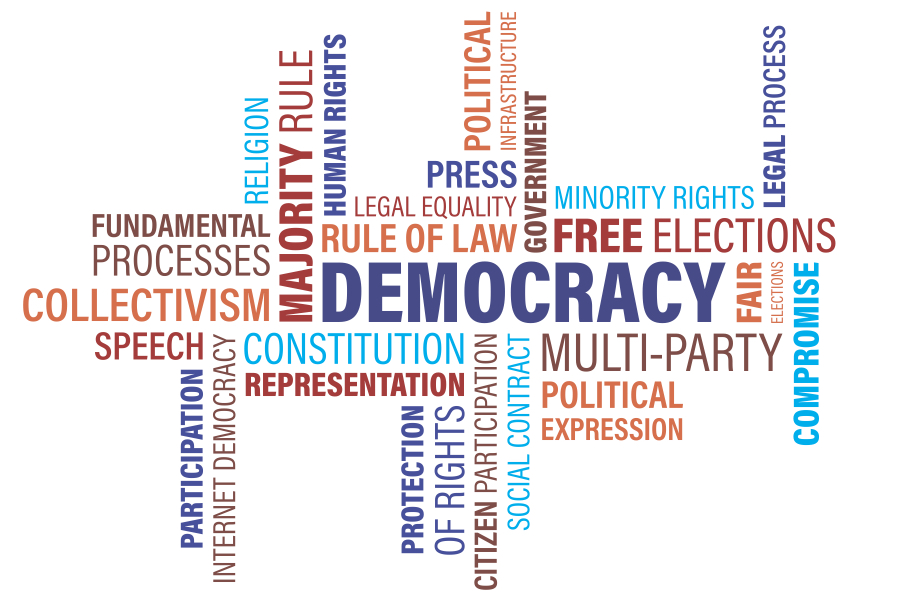
This essay will explore sociology of democratic rights which are safeguarded by the Constitution of India. These rights not only define the relationship between the individual and the state but also ensure that power is exercised within constitutional limits.
-
This essay will explore Walter Benjamin theory of Art in the age of Mechanical Reproduction, proposing that the advancement in technology has led to the mechanical reproduction of art which has diminished the aura of the original works of art.
-
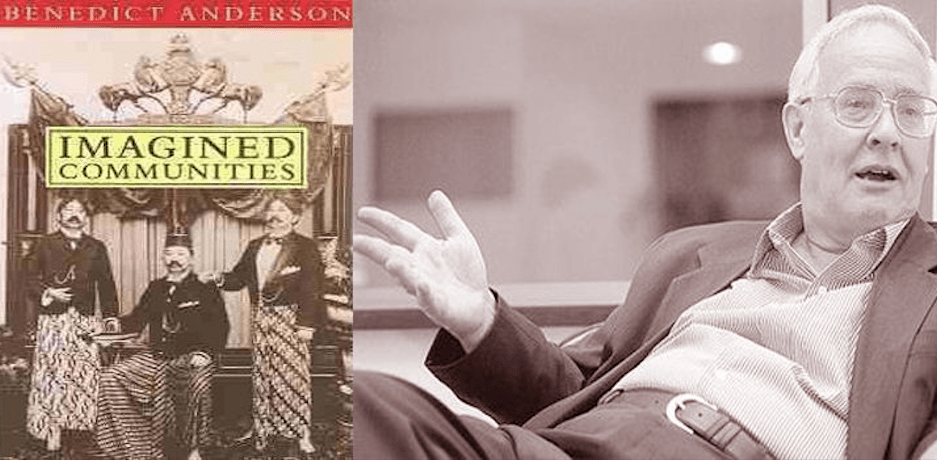
How do individuals come to identify with a nation of strangers? Drawing on Benedict Anderson’s theory of print capitalism, this essay examines how the rise of print media fostered shared language and collective consciousness, enabling people to imagine themselves as part of a unified national community.
-
The Culture Industry Theory, developed by Theodor Adorno and Max Horkheimer of the Frankfurt School, critiques the mass production of culture under capitalism. These thinkers, though rooted in Marxist ideology, became disillusioned with Marxism after witnessing the failure of revolutionary movements in Europe and the rise of fascism in Germany.
-
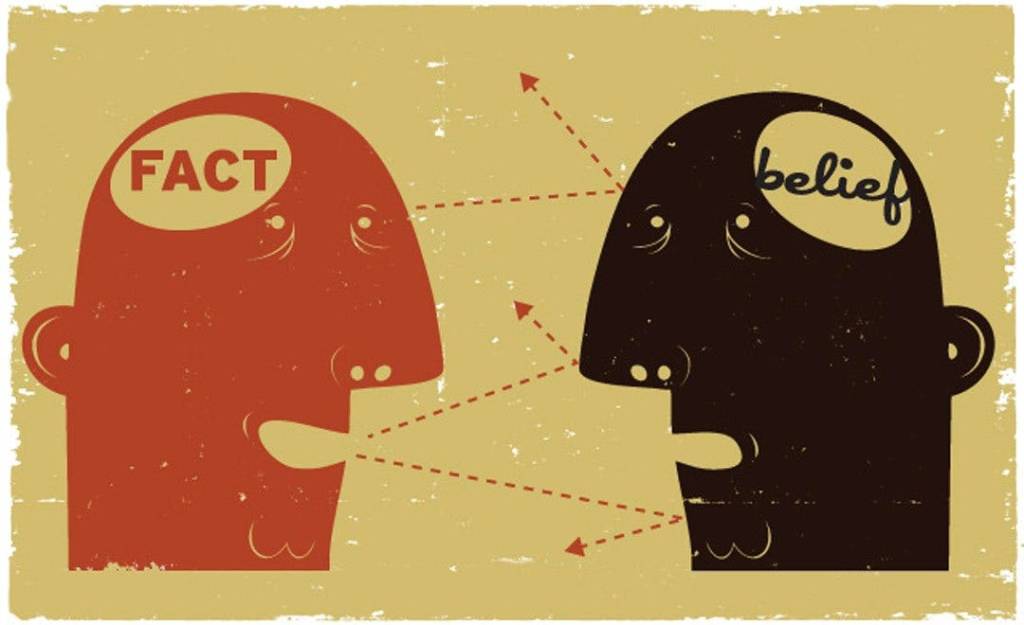
Cognitive Dissonance Theory, introduced by Leon Festinger in 1957, explains the psychological discomfort that arises when an individual holds contradictory beliefs, attitudes, or values, or when their behaviour clashes with what they truly believe. The term “cognitive”relates to the mind, and “dissonance” refers to a state of disturbance or inconsistency.
-
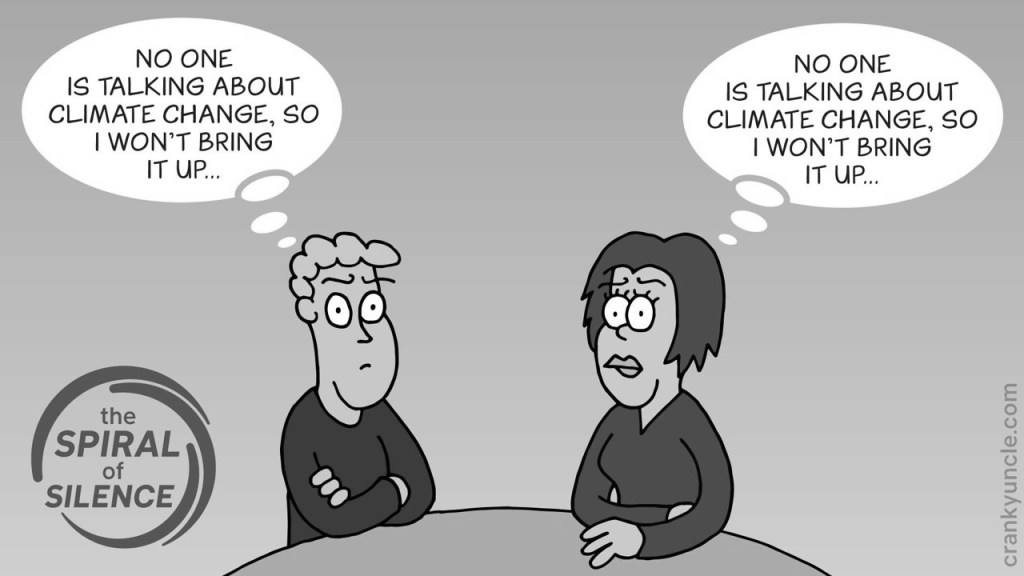
This essay examines Elisabeth Noelle-Neumann’s Spiral of Silence theory, highlighting how fear of isolation suppresses minority opinions in public discourse. It explores the theory’s implications in media, advertising, and sociopolitical contexts, where dominant narratives often silence dissent.
-
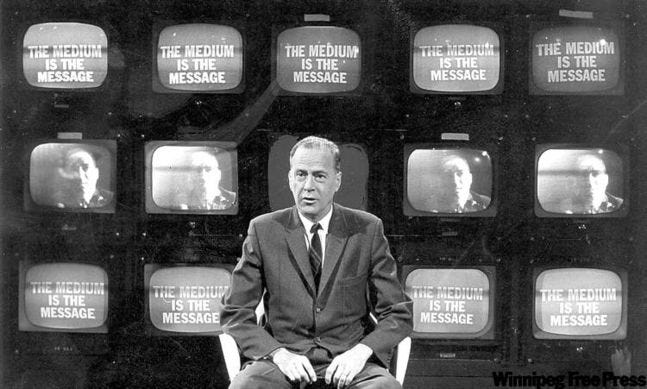
How does the way we communicate shape what we understand? This essay unpacks Marshall McLuhan’s theory that “the medium is the message,” arguing that media forms, not just their content, deeply influence how we think, interact and experience the world around us.
-
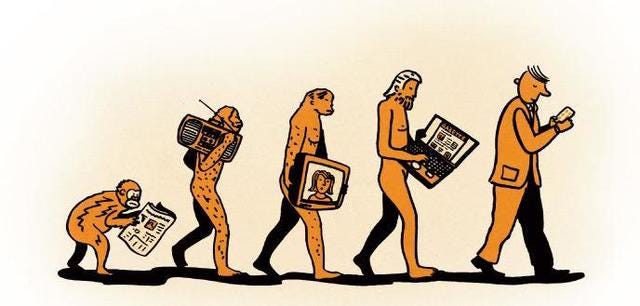
This essay will explore the Cultivation theory proposed by George Gerbner, examines how long-term exposure to television shapes viewers perceptions of reality which can lead to a distorted understanding of the world around us.
-

Why do people consume media? This essay will explore the Uses and Gratification theory developed by Jay Blumler and Denis McQuail theory, arguing that the consumption of media is driven by individual prerequisite needs.
-
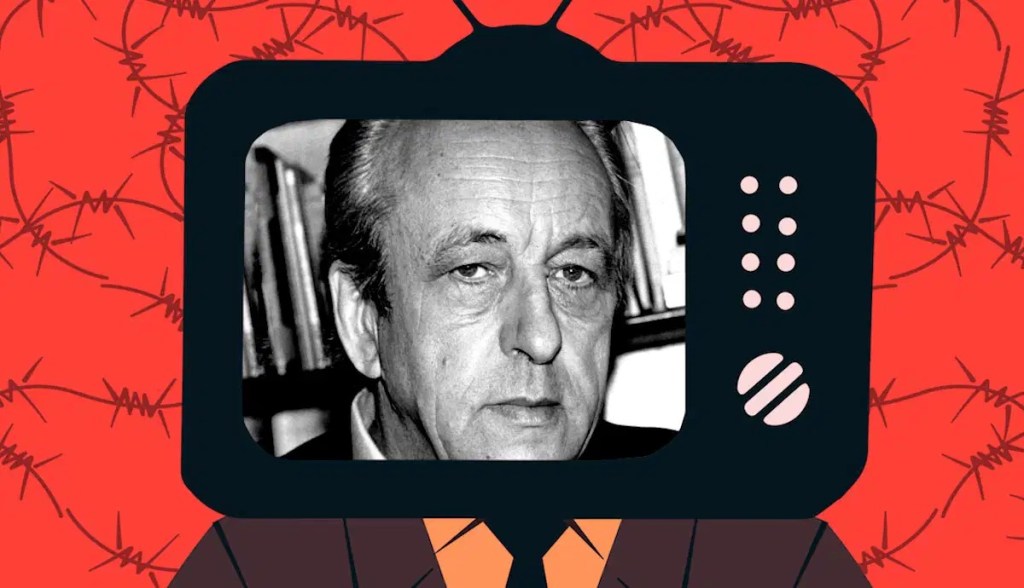
Louis Althusser’s theory shows how state power operates through force and ideology. The Repressive State Apparatus uses coercion, while the Ideological State Apparatus shapes beliefs and norms. Together, they maintain control by making people obey and believe in the systems that oppress them.
-

In today’s world, the intersection of politics, media, and ideology is more powerful than ever. From Marxist theories about class struggle to modern media effects theories, the way information is disseminated and consumed plays a pivotal role in shaping societal beliefs and actions. Let’s break down some key concepts that explore how power, culture, and…
-
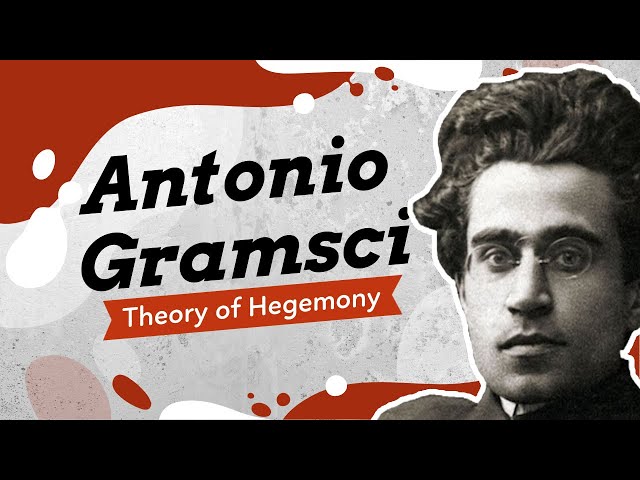
Antonio Gramsci’s concept of cultural hegemony exposes how ruling classes maintain control by shaping culture and ideology, making their worldview seem natural. True revolution requires a “war of position”, that is, a cultural struggle to challenge the dominant beliefs and empower the masses to reclaim their voices.
-
The Normative Theory of Media outlines typical media behaviors linked to government types, as detailed in Four Theories of the Press: Authoritarian, Libertarian, Social Responsibility, and Soviet/Communist media, explaining how press functions reflect political power structures.
-

The Propaganda Model by Herman and Chomsky unfolds how corporate media serves those in power through five filters: profit-driven ownership, advertiser funding, reliance on second-hand sources, flak, and bias. In India, this leads to pro-corporate narratives and suppression of dissent, weakening the media’s role as the fourth pillar of democracy.
 Naren Singh Rao Lectures